
A fracture may heal successfully while the affected body part still feels stiff, weak, or difficult to use. This is common after a period of immobilisation in a cast, splint, or brace.
Post fracture physiotherapy focuses on restoring movement and function after the treating medical professional confirms that rehabilitation can begin or progress.
Kaushik Physio Clinic provides physiotherapy in Faridabad for people who require structured rehabilitation following fractures and periods of reduced movement.
Why Does Stiffness Develop After a Fracture?
Immobilisation protects healing tissues, but reduced movement can lead to several changes.
Patients may notice:
- Joint stiffness
- Muscle weakness
- Reduced flexibility
- Swelling
- Difficulty bearing weight where applicable
- Reduced confidence using the affected limb
- Problems performing normal daily activities
The severity varies depending on the fracture location, treatment method, duration of immobilisation, age, and general health.
What Happens During Rehabilitation?
The early goal is not to force the affected area back to normal immediately.
A physiotherapist may assess movement, strength, swelling, functional ability, and any restrictions provided by the treating doctor.
Rehabilitation can then progress through appropriate stages.
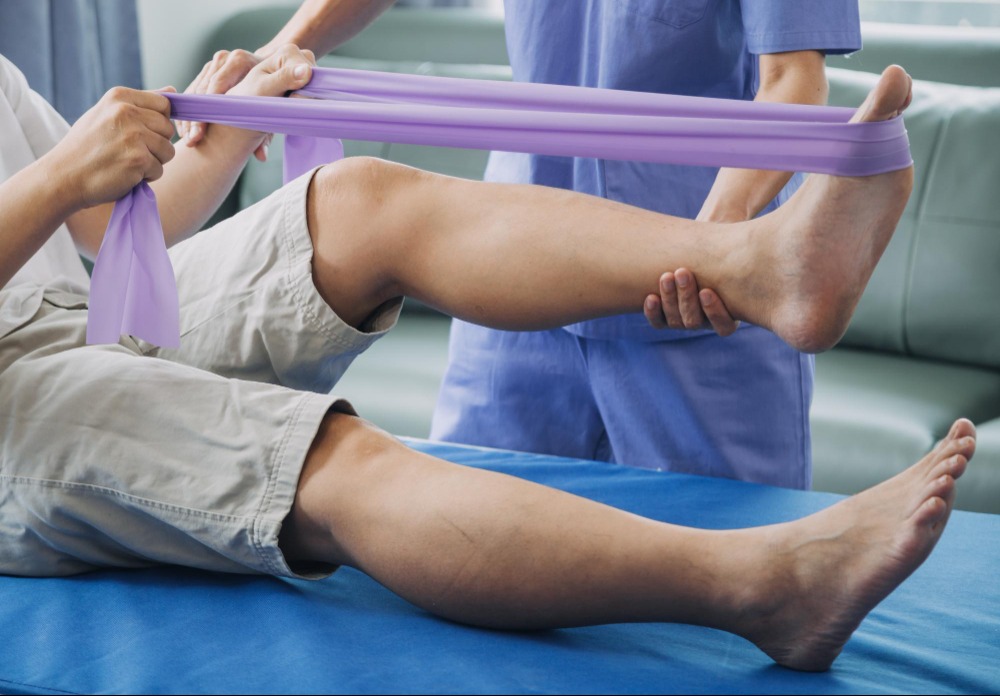
Early exercises may focus on gentle movement and activation. As healing and tolerance permit, the programme can gradually incorporate strengthening and functional exercises.
For a lower-limb fracture, later rehabilitation may involve standing, balance, walking, and stair-related activities where appropriate.
For an upper-limb fracture, treatment may increasingly focus on reaching, gripping, lifting, and other everyday functions.
Avoid These Common Recovery Mistakes
Trying to regain all movement in a few days can be counterproductive. Excessive exercise or aggressive movement may increase symptoms.
At the opposite extreme, avoiding the limb long after movement has been medically permitted may contribute to ongoing stiffness and weakness.
The appropriate middle ground is progressive rehabilitation based on healing status and individual response.
Why Follow-Up Matters
Post-fracture rehabilitation changes over time.
An exercise that is challenging during the first week may become too easy later. Progress needs to be reviewed so exercises can be modified appropriately.
People seeking post-fracture physiotherapy in Faridabad, Haryana, should bring relevant medical reports or instructions when available, particularly if there are restrictions on movement or weight bearing.
The aim of rehabilitation is to help the individual move from protection and limited activity toward stronger, more confident use of the affected area. Recovery time varies considerably, so progress should be judged individually rather than compared with another patient's experience.


