

Paralysis can result from spinal cord compression, stroke, brain injury, peripheral nerve damage, infection, tumour or another neurological condition, so the first specialist you choose matters. You will be able to identify emergency symptoms, understand which clinician should lead your care, and judge when specialist treatment and rehabilitation belong in the same plan.
Key takeaways
- Treat sudden paralysis or new weakness as a medical emergency.
- Spinal compression may need urgent treatment before physiotherapy begins.
- Diagnosis combines neurological examination with scans and blood tests.
- Choose rehabilitation based on safety, measurable goals, and coordinated care.
Is paralysis an emergency, and should you see a spine specialist first?
Sudden paralysis or new weakness is an emergency until a hospital team rules out stroke, spinal cord compression, bleeding, or another time-critical cause. Do not search for a spine specialist near me first if you have any of these warning signs:
- Sudden facial drooping, new weakness on one side, or inability to speak
- A severe headache, even without weakness
- Rapidly worsening weakness
- Loss of bladder or bowel control, or numbness around the inner thighs and genitals, called saddle numbness
- Difficulty breathing
- Severe neck or back pain after a fall, crash, or other trauma
Call emergency services or go to the nearest emergency department. Stroke symptoms remain an emergency even when facial movement, speech, or strength returns; improvement does not prove the danger has passed.
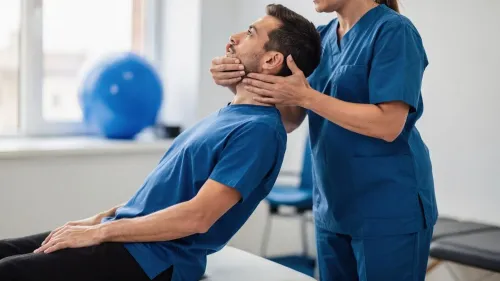
A spine surgeon or neurosurgeon assesses structural problems such as spinal cord or nerve-root compression, fractures, and some tumours. A neurologist diagnoses broader brain and nerve disorders, including stroke, multiple sclerosis, and peripheral nerve disease. A physiotherapist provides rehabilitation after medical priorities and movement precautions are established.
If symptoms are sudden, progressive, or follow trauma, hospital assessment comes first; outpatient physiotherapy is not a substitute for diagnosis. A spine consultation becomes useful when examination or imaging points to a spinal cause, not simply because the word paralysis appears in the diagnosis.
How do clinicians find the cause and severity of paralysis?
Paralysis has no single best treatment: the cause, neurological level, completeness, medical stability and goals determine the plan. A spine specialist leads when examination or imaging suggests structural spinal disease; a neurologist usually leads brain, demyelinating or peripheral-nerve conditions, while physiotherapy follows diagnosis and medical precautions.
| Suspected cause | What clinicians are trying to establish |
|---|---|
| Spinal cord compression or injury | The level of cord involvement and whether pressure or damage is impairing movement and sensation |
| Stroke-related hemiplegia | Which brain area was affected and how weakness, coordination and speech are distributed |
| Traumatic or non-traumatic brain injury | The effect on movement, cognition, balance and behaviour |
| Multiple sclerosis | Whether lesions have caused new or changing neurological deficits |
| Tumour or infection | Whether a lesion or inflammation is compressing or damaging nervous tissue |
| Peripheral nerve disease | Which nerve, root or network is affected outside the brain and spinal cord |
The examination records:
- Muscle strength using a graded scale, plus reflexes, sensation, coordination and gait
- Cranial-nerve findings, including facial movement, eye movements, speech and swallowing
- Bladder and bowel symptoms, cognition and practical functional ability
- MRI, especially when spinal cord compression is suspected; CT can identify fractures, bleeding or other urgent findings
- For spinal cord injury, motor and sensory findings under the International Standards for Neurological Classification, which distinguish complete from incomplete injury
These results determine the lead professional and treatment plan. The label paralysis alone cannot show whether you need urgent spinal care, neurological management or rehabilitation.
When must spinal treatment come before rehabilitation?
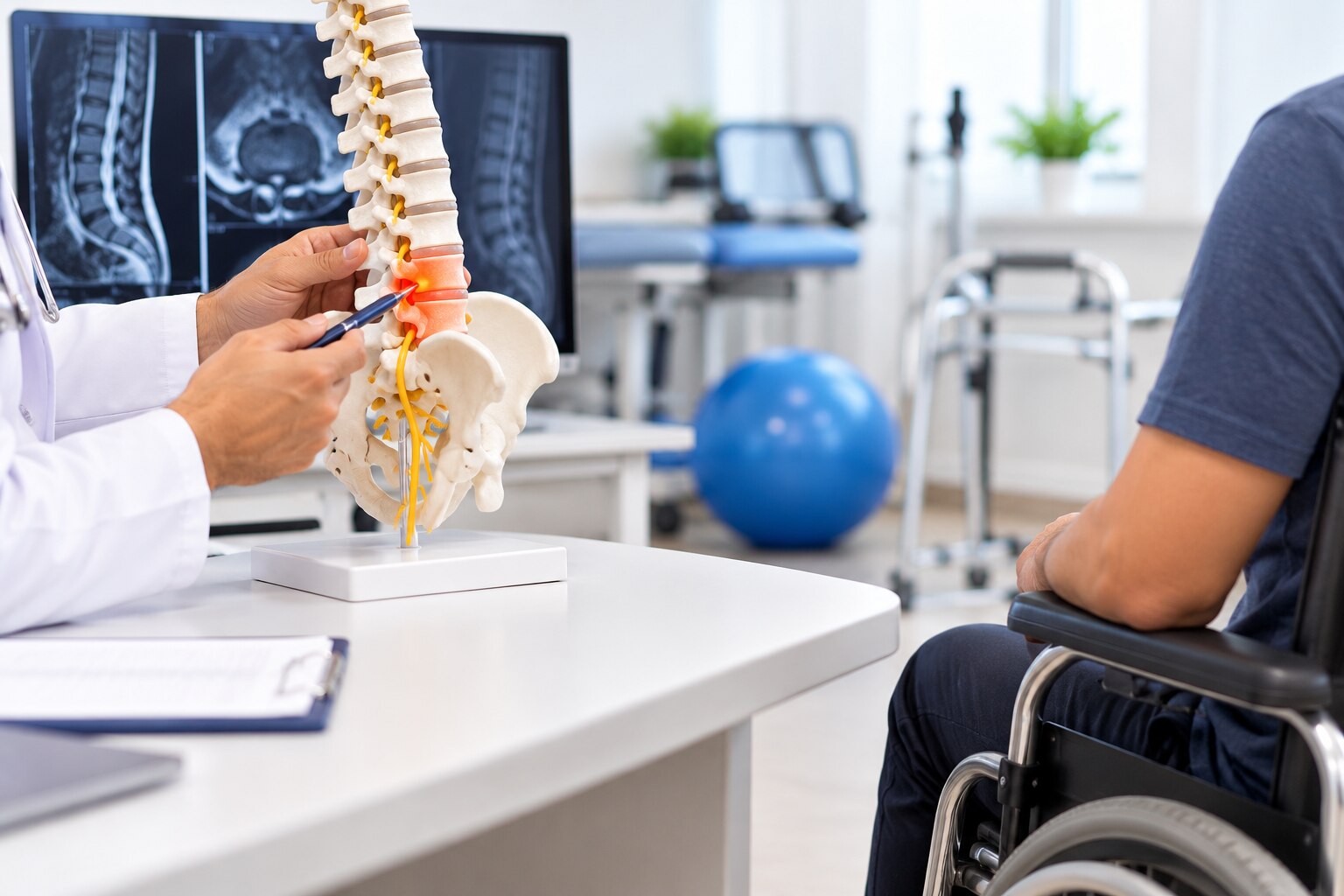
An outpatient physiotherapy appointment should wait when paralysis could reflect spinal cord compression, an unstable fracture, epidural infection, a tumour, progressive neurological loss, or worsening bladder, bowel or breathing function. These conditions need emergency hospital assessment and paralysis treatment from a spine specialist, not exercise before the cause is secured.
| Situation | Why specialist care comes first | Immediate priority |
|---|---|---|
| Spinal cord compression | Pressure can permanently damage the cord | Urgent MRI and decompression or other treatment |
| Unstable spinal fracture | Movement can worsen displacement and injury | CT or MRI, spinal precautions and stabilisation |
| Epidural infection or tumour | Infection or tumour can narrow the canal | Imaging, antibiotics, oncology treatment or surgery |
| Progressive weakness or altered bladder, bowel or breathing function | Deterioration signals ongoing neurological compromise | Emergency assessment and rapid treatment |
The specialist interprets MRI or CT, identifies the level and cause of compression, decides whether surgery or medication is needed, sets movement and lifting precautions, and coordinates rehabilitation. A neurologist may lead when the cause is stroke, multiple sclerosis or peripheral nerve disease rather than a structural spinal problem.
For suitable adults with acute traumatic spinal cord injury, the 2024 AO Spine guideline recommends offering decompression within 24 hours when medically feasible. This is time-sensitive care, not a promise that surgery will restore lost movement.
High-dose methylprednisolone is not a routine cure. The 2017 acute spinal cord injury guideline describes a 24-hour infusion started within 8 hours as an option for selected adults; it recommends against starting after 8 hours or using a 48-hour infusion because harms such as infection and gastrointestinal bleeding matter.
What does paralysis physiotherapy involve after the diagnosis?
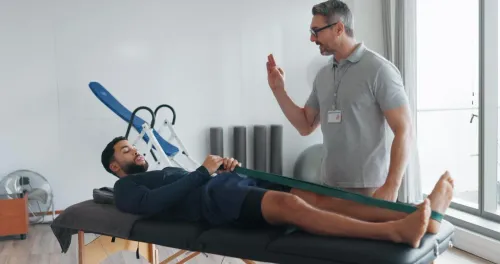
The programme starts with medical stability, neurological level, completeness of injury, sensation, cognition, pain, spasticity and your goals. Measurable targets might include moving from two-person to one-person transfer assistance, increasing knee range of motion, walking 20 metres, propelling a wheelchair safely, or completing dressing independently.
Treatment can include:
- Positioning, joint-range exercises and stretching to prevent contractures.
- Safe strengthening of muscles with usable control.
- Rolling, sitting up, bed mobility and transfers.
- Wheelchair propulsion, pressure relief, ramps and safe reaching.
- Sitting and standing balance, followed by gait training when appropriate.
- Arm, wrist and hand function for feeding, dressing and self-care.
- Respiratory exercises, coughing techniques and secretion management.
- Skin checks, weight shifts and pressure-injury prevention.
- Shoulder-pain management, especially after stroke or wheelchair use.
- Bladder and bowel routines, plus training for family or carers.
| Diagnosis | Rehabilitation emphasis |
|---|---|
| Complete spinal cord injury | Protect joints, skin and breathing while building transfers, wheelchair skills and independence below the lost level. |
| Incomplete injury or preserved movement or sensation below the lesion | Strengthen available muscles and practise standing, walking or hand function when safe. |
| Stroke-related hemiplegia | Rebuild balance, arm use, walking and self-care while managing shoulder pain and abnormal tone. |
| Facial weakness | Facial movement, speech or swallowing referral, eye protection and targeted exercises rather than spinal treatment. |
Electrical stimulation, robotic devices and body-weight-supported treadmills are adjuncts for selected patients; they do not replace task-specific practice or guarantee walking. Paralysis physiotherapy should be reassessed as function changes, with home and carer training continuing after discharge.
How do you judge whether a rehabilitation service is worth choosing?
Choose a neurological rehabilitation service by its safety systems and measurable work, not by a promise of recovery. For neurological rehabilitation in Faridabad, compare providers against these practical checks:
| Check | What to look for | Why it matters |
|---|---|---|
| Team | Neurological rehabilitation experience, coordinated physiotherapy and occupational therapy, and access to a neurologist or rehabilitation physician | The plan must match the diagnosis, neurological level, completeness of injury, cognition and goals |
| Daily support | Trained nursing staff, pressure-relief equipment and safe transfer equipment | Poor positioning or unsafe transfers can cause pressure injuries, falls and contractures |
| Clinical screening | Checks for spasticity, neuropathic pain, contractures, pressure injuries, osteoporosis and urinary infection | More exercise will not fix fever, skin breakdown, severe new pain or restricted joints |
| Emergency response | A named escalation pathway for sudden neurological change, breathing difficulty or autonomic dysreflexia | Staff must know when to stop therapy and arrange urgent hospital care |
Ask who sets and reassesses goals, how progress is recorded, and how home follow-up works after discharge. Useful measures include transfer assistance, walking distance, range of motion, wheelchair skills and self-care.
Also ask whether the service coordinates speech and swallowing referrals. Kaushik Physio Clinic is worth investigating when its team can provide these safeguards, particularly after a spine specialist or neurologist has set movement precautions.
- Who reviews worsening symptoms and contacts the treating doctor
- How often the programme changes
- What happens if progress stalls
Safety, coordination and demonstrated progress matter more than a fixed session count or guaranteed recovery.
Related service
Neurology Physiotherapy ₹2000 Spinal Cord Injury Cerebellar vascular Injury Weakness in One Side Hemiplegia Facial Shift Not Able to Speak View service → |
Frequently asked questions
Is paralysis an emergency, and should you see a spine specialist first?
Sudden paralysis or new weakness is an emergency. Go to a hospital immediately rather than searching for a spine specialist first, especially with facial drooping, speech trouble, severe back or neck pain, loss of bladder control, or weakness after an injury.
How do clinicians find the cause and severity of paralysis?
Clinicians review how quickly symptoms began, examine strength, sensation, reflexes, coordination, and bladder function, then use tests such as MRI or CT scans, blood tests, and sometimes nerve or muscle studies.
When must spinal treatment come before rehabilitation?
Treat spinal cord compression, fractures, bleeding, infection, or an unstable spinal injury before routine rehabilitation. Surgery, medicines, or other hospital treatment may be needed to protect the spinal cord.
What does paralysis physiotherapy involve after diagnosis?
Paralysis physiotherapy can include safe positioning, range-of-motion work, strengthening, balance and walking practice, transfers, respiratory exercises, and training with braces or mobility aids.
How do you judge whether a rehabilitation service is worth choosing?
Look for neurological assessment, individual goals, trained staff, falls and pressure-injury prevention, equipment suited to your condition, progress measurements, caregiver education, and communication with your medical team.