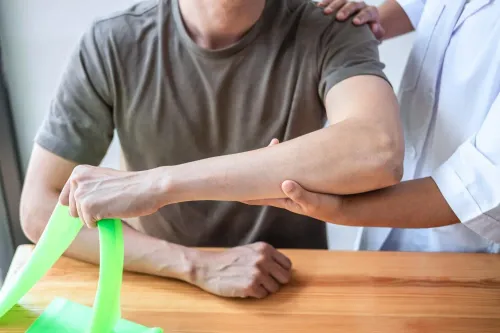


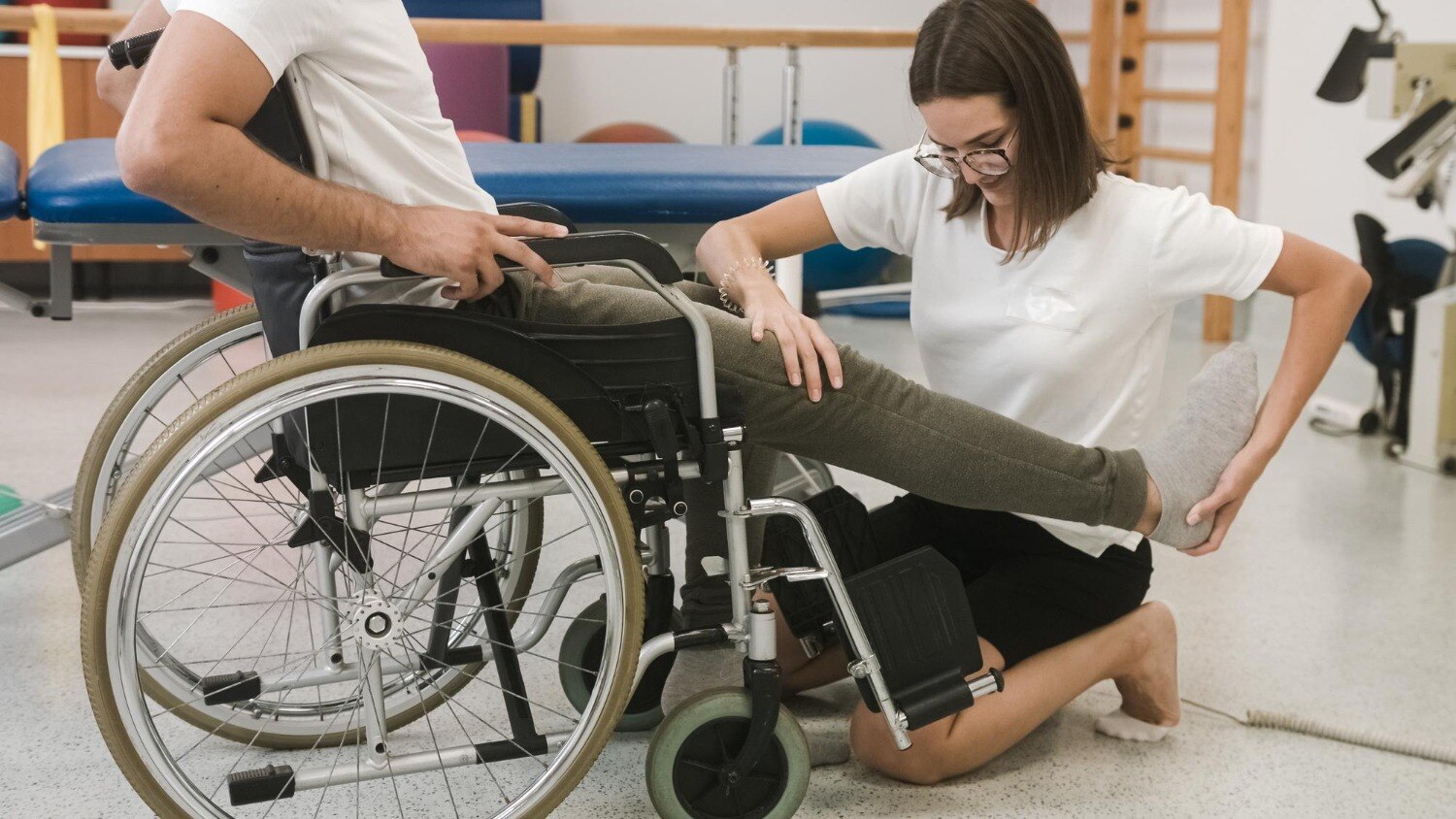
Paralysis recovery can stall or become unsafe when the cause, spinal level, pain, bladder or bowel changes, and exercise precautions are unclear. You will learn when specialist review is needed, how spinal and rehabilitation teams divide responsibility, and how to judge whether daily practice is producing safe, measurable progress.
Key takeaways
- Seek spine review when stability, compression or safe loading is uncertain.
- Ask for urgent assessment after new weakness, bladder changes or worsening numbness.
- Use a daily plan covering positioning, transfers, exercises, skin checks and fatigue.
- Measure progress with safer transfers, stronger movement, balance and practical independence.
When does paralysis recovery require a spine specialist rather than physiotherapy alone?
A spine specialist for paralysis treatment recovery is needed when the cause, stability or safety of loading is uncertain—not simply when exercises feel difficult. Spinal-cord injury and spinal compression may require spinal-stability checks, MRI or CT review, and assessment for surgery.
Stroke-related hemiplegia, cerebellar injury, multiple sclerosis, spinal infection and other neurological conditions follow different diagnostic and medication pathways.
The team has separate responsibilities:
- A spinal surgeon reviews fractures, compression, instability, deformity, hardware and structural pain, then decides whether surgery or precautions are needed.
- A neurologist diagnoses conditions such as stroke, multiple sclerosis or cerebellar disease and manages neurological medication.
- A rehabilitation physician coordinates medical recovery, spasticity, bladder and bowel issues, pain, equipment and rehabilitation goals.
- A physiotherapist builds strength, balance, transfers, walking or wheelchair function through graded practice.
- An occupational therapist trains dressing, bathing, hand use, home tasks and equipment adaptations.
Ask for medical reassessment before increasing paralysis treatment physiotherapy if you develop new or worsening weakness, rapidly increasing numbness, new bladder or bowel loss, severe neck or back pain, fever with spinal pain, breathing difficulty or symptoms after a fall. These signs can indicate compression, infection, fracture or another emergency.
Physiotherapy provides essential paralysis recovery support, but it cannot decompress the spinal cord, establish a diagnosis, prescribe neurological medication, repair instability or replace emergency care. A specialist review is also important when pain changes, imaging is outdated, spasms worsen suddenly or a structural problem could make exercise unsafe.
What does the specialist examine, and which symptoms need urgent review?
A spine specialist for paralysis treatment recovery compares each visit with earlier neurological findings, not a promised recovery percentage. The examination may use the International Standards for Neurological Classification of Spinal Cord Injury (ISNCSCI) and its ASIA Impairment Scale (AIS) grade. Repeated scores show whether strength or sensation is changing across defined areas.
| Domain | What is examined | Why it matters |
|---|---|---|
| Strength and sensation | Muscle power, light touch and pinprick | Defines neurological change and injury level |
| Reflexes and tone | Reflexes, spasticity and involuntary spasms | Identifies complications affecting movement and care |
| Movement | Joint range, posture and contracture risk | Prevents stiffness from limiting function |
| Function | Balance, transfers, walking and hand use | Measures practical independence |
| Communication | Speech, coughing and swallowing | Detects risks needing specialist therapy |
| Body control | Bladder and bowel function | Flags neurological change and medical complications |
Seek urgent medical review for:
- New or worsening weakness, numbness or loss of sensation.
- New loss of bladder or bowel control.
- Severe neck or back pain, especially after a fall, or any fall with pain or reduced movement.
- Fever with spinal pain, or breathing difficulty.
- After an injury at or above approximately T6, a sudden severe headache, sweating or flushing above the injury, goosebumps, nausea or a sudden blood-pressure rise may indicate autonomic dysreflexia. Sit the person upright, loosen tight clothing, seek emergency help, and have bladder blockage or bowel impaction checked immediately. This is paralysis recovery support, not a situation for continued exercise.
How is spine rehabilitation planned and delivered day by day?
The plan changes with neurological level, injury completeness, time since injury, medical stability, pain, spasticity, fatigue, available equipment and the home layout. Spine rehabilitation for paralysis is adjusted after checking what you can do safely, not by applying the same walking programme to everyone.
- Position you in bed and use pressure relief to protect skin, joints and breathing.
- Add assisted movement and range-of-motion work, while protecting weak shoulders and respecting loading precautions.
- Strengthen usable muscles, then practise sitting balance and bed mobility.
- Train transfers between the bed, wheelchair and toilet with the least safe assistance.
- Progress to standing when spinal stability, blood pressure, bone health and control permit.
- Practise gait with braces and walking aids, or wheelchair skills when walking is unsafe or inefficient.
- Repeat task-specific activities such as dressing, reaching, turning and propelling the wheelchair.
- Use robotic-assisted practice only when the person’s neurological status, equipment and goals make it suitable.
The spine specialist reviews stability, imaging, pain, loading restrictions and any neurological change. The physiotherapist applies those decisions through paralysis treatment physiotherapy, records assistance levels and adjusts repetitions when fatigue, spasms or pain increase.
Repeated practice improves useful movement for some people, but it does not guarantee independent walking. Injury completeness, neurological level, complications and training dose affect the result; better transfers, sitting balance, hand use or wheelchair mobility can be meaningful recovery.
How can families keep daily rehabilitation safe between appointments?
Between appointments, paralysis recovery support means more than repeating exercises. Ask the clinician to write the frequency, repetitions, assistance level, precautions and a measure such as transfer help, sitting time, wheelchair distance or hand function. Use frequent practice alongside pressure relief, skin inspection, safe transfers, correct equipment setup and caregiver training.
Plan transport around fatigue, wheelchair security and the help needed at each appointment. This is spine rehabilitation for paralysis, not unsupervised exertion.
Keep a daily record of:
- Falls or near-falls
- Redness, blisters or open skin
- Spasms and their triggers
- Pain location, timing and severity
- Medication effects, including sleepiness or weakness
- Changes in sensation, strength or function
A useful challenge does not worsen neurological symptoms, cause unusual breathlessness, dizziness, severe pain or fatigue that persists after rest. Do not pull a paralysed arm during a transfer, force a weak limb, ignore shoulder protection or leave the person in one position too long.
Treating pain alone can hide a structural problem, and a plateau calls for reassessment rather than stopping therapy.
Pause exercise for medical instability, suspected fracture, infection, uncontrolled autonomic dysreflexia or a new neurological deficit, and seek medical advice. Occupational therapy can address equipment and daily tasks; speech and swallowing therapy can manage communication or choking risk. Nursing, psychology, orthotics and vocational rehabilitation should join when their needs arise.
How should you choose a rehabilitation setting and measure real progress?
Choose the setting that makes safe practice possible every day, not the one with the most impressive equipment. Inpatient rehabilitation suits high assistance needs or medical instability; outpatient care suits people who can travel safely; home visits suit transport barriers and goals tied to the home.
| Option | Safety and supervision | Equipment, caregivers and daily practice |
|---|---|---|
| Inpatient | Close monitoring and rapid medical escalation | Broad equipment, trained staff, intensive practice; family training remains necessary |
| Outpatient | Supervised sessions, but travel and waiting add fall or fatigue risks | Clinic equipment; caregiver support needed for transport and home practice |
| Home visits | Therapist sees actual transfers, rooms and hazards | Portable equipment; caregiver availability determines how much safe practice occurs |
For neurological physiotherapy in Faridabad, use this checklist before choosing a provider:
- Verify the clinician’s neurological rehabilitation qualifications and experience with your diagnosis.
- Ask how the service contacts the treating spine specialist, neurologist or rehabilitation physician.
- Require a written emergency escalation procedure for new weakness, falls, breathing trouble or autonomic dysreflexia.
- Confirm home-visit equipment, wheelchair handling and transfer-training skills.
- Ask how the team checks skin, pressure areas, bladder triggers, constipation and autonomic symptoms.
- Demand documented precautions, assistance levels, repetitions and rest periods.
- Set measurable goals: sit unsupported for a specified time, transfer with less help, walk a stated distance with a device, increase wheelchair distance or complete one daily task safely.
- Schedule progress reviews and communication with the treating doctor.
Kaushik Physio Clinic can be compared with other providers using these questions for paralysis treatment physiotherapy and paralysis recovery support. Progress depends on cause, lesion severity and complications; safer transfers, hand function, self-care or fewer risks still count when walking does not return.
Related services
Neurology Physiotherapy ₹2000 Spinal Cord Injury Cerebellar vascular Injury Weakness in One Side Hemiplegia Facial Shift Not Able to Speak View service → |
Physiotherapy Low back/ Neck Pain Post stroke physiotherapy Post fracture physiotherapy Frozen shoulder Knee pain/ Osteoarthritis Geriatric physiotherapy Pediatric... View service → |
Frequently asked questions
When does paralysis recovery require a spine specialist rather than physiotherapy alone?
Seek a spine specialist when the cause of paralysis is unclear, spinal stability is uncertain, symptoms worsen, or MRI, CT or surgery assessment may be needed.
Which paralysis symptoms need urgent spine specialist review?
Get urgent review for new or worsening weakness, loss of sensation, severe spinal pain, difficulty breathing, or new bladder or bowel control changes.
How is spine rehabilitation for paralysis planned day by day?
The plan combines medical precautions with positioning, transfers, range-of-motion work, strengthening, balance, mobility practice, rest and regular progress checks.
How can families keep paralysis treatment physiotherapy safe between appointments?
Follow the prescribed movement limits, use the recommended transfer technique, check skin and joints daily, prevent falls, and stop if new pain, weakness or breathing problems appear.
How should families measure real paralysis recovery progress?
Track practical changes such as safer transfers, longer sitting or standing tolerance, improved balance, stronger movement, fewer complications and greater independence.